
It's a Team's Life
Changing Weather
Changing Weather
One constant challenge that drivers face, no matter the route or season, is the unpredictable nature of weather. From blizzards to heatwaves, changing weather conditions demand adaptability, preparation, and resilience. Let’s explore how team truck drivers navigate the complexities of weather, the strategies they employ, and the critical role their partnership plays in staying safe and on schedule.
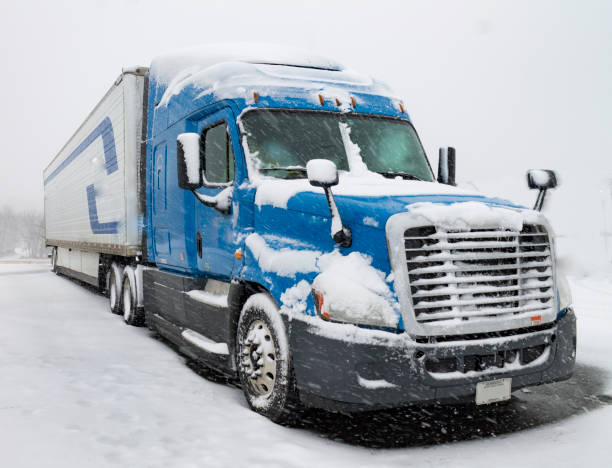
Weather is one of the most unpredictable variables on the road. We often operate on tight schedules to deliver goods across the country. Sudden changes in weather can disrupt plans and test our skills. Snow, ice, and blizzards are among the most dangerous conditions for truck drivers. Slick roads reduce traction, and low visibility from heavy snow can make navigation treacherous. Winter weather requires constant communication to decide when to pull over, reroute, or chain up tires for better grip. High winds pose a significant risk for high-profile vehicles like tractor-trailers. Crosswinds can push trucks off course, while snow storms reduce visibility to near zero. We rely on each other to monitor wind advisories and decide whether to continue or seek shelter.
We develop a range of strategies to manage the challenges of changing weather. Here are some ways we tackle weather-related challenges:
1. We check weather forecasts for our entire route using weather apps. We plan for potential delays, identify rest stops or safe parking areas, and ensure our truck is equipped with emergency supplies like blankets, food, water, and tire chains.
2. We benefit from having a partner to share information and make decisions. While one drives, the other can monitor weather updates, communicate with dispatch, or research alternate routes. This division of labor helps us stay proactive rather than reactive.
3. Weather conditions often require adjustments in driving style. For example, in snowy conditions, we may use lower speeds to maintain control. We discuss and agree on these adjustments to ensure consistency, regardless of who’s behind the wheel.
4. Modern trucks are equipped with advanced safety features like anti-lock brakes, stability control, and collision avoidance systems, which help mitigate weather-related risks.
5. One of the most critical decisions we make is when to pull over. Severe weather may require stopping at a rest area or truck stop until conditions improve. We use their combined judgment to prioritize safety over schedule.
Preparation is key when facing changing weather. Here are some practical steps we take to stay ready:
1. Vehicle Maintenance: Regular checks on tires, brakes, wipers, and defrosters ensure the truck is ready for any condition. We also make sure that our fuel tanks are full to avoid being stranded in remote areas.
2. Emergency Kits: A well-stocked emergency kit with food, water, blankets, flashlights, and first-aid supplies is essential for unexpected delays or breakdowns.
3. Communication: We stay in touch with customers who can provide updates on road conditions, closures, or customer expectations.
Here’s to millions of SAFE and profitable miles.
Kelly Plumb