
Fuel for Thought
Tired
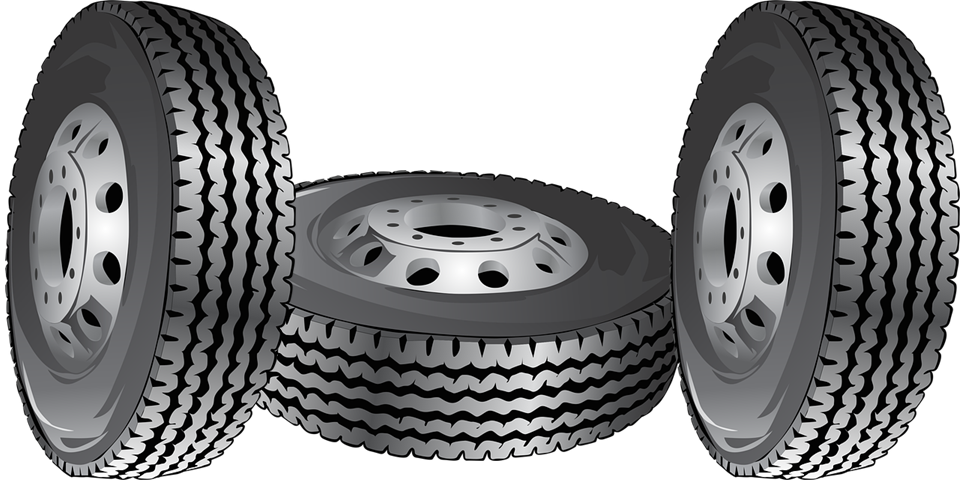
Buying truck tires is always a pain. First you get a pain in the neck from researching the latest tire options. Then you get a pain in the keister from shopping for a reasonable price. Then, if you don’t have a trusted one, or are unable to get to it, you have to locate a reputable shop for installation…another pain in the posterior. Sometimes you just get tired of shopping for and buying tires.
Fortunately, we shouldn’t have to buy tires often, depending on how well your last purchase wore. Ask any truck driver who buys their own tires about their preferred brand and you will get all kinds of answers. I suspect that when you find a brand that is acceptable to you as far as price vs. longevity and wear, you probably tend to stick with that brand, not even trying other brands to see if they could be better.
Steer tires generally cost more than drive tires, but if you run duals, you need twice as many tires per axle, so the cost is higher per axle. Steer tires usually need replacing twice as often as drive tires, so the cost per axle for the same miles driven will be higher for steer tires than drive tires.
Cost is not the only factor when looking for tires. The cost is certainly important, after all, if you cannot afford them, you cannot buy them. Cost aside, there are many factors that should be considered when making a large purchase like truck tires.
Size matters. Get the correct size tires for your truck. Buying the wrong size tires can have many ill effects for your truck. Smaller or larger tires than what your truck needs will have an effect on your speedometer accuracy. The wrong ply count can have you overloading your tires. Choosing the wrong tread for your application can cause premature wear or under-performance.
For highway use, it is a good idea to compare rolling resistance between your tire choices. This can have a significant impact on your fuel economy. Lower rolling resistance tires will give you the best fuel economy.
Tread depth should be another consideration. You really cannot compare tires without taking this factor into account. Some new steer tires will have 22/32nd tread depth where others may only have 17/32nd or 18/32nd tread depth. It should be obvious that more tread depth could equate to longer life of the tire. A general rule of thumb for on highway truck tires is each 32nd of tread depth equals 10,000 miles. Since steer tires have to be replaced by 4/32nds (many of us will change them sooner), a 22/32nd tread tire could last as long as 180,000 miles where the 18/32nd will only make it to 140,000 miles. Now you can start to see how much those tires cost per mile. While cost at time of purchase is important, it can be more important to calculate the cost per mile to get the best ROI (Return On Investment), as well as not just paying more upfront without getting the longevity from your purchase.
Okay, I am tired of talking about tires for now. I have done my research, made my calculations and now it is time to go make that purchase once again.
Keep your pressures up, cost down and check your tread daily.
Diligence is the mother of good fortune, and idleness, its opposite, never brought a man to the goal of any of his best wishes.
- Miguel de Cervantes
See you down the road,
Greg