
It's a Team's Life
Due Diligence
Due Diligence
How much due diligence do you do before taking a load? Some due diligence comes before a load is ever accepted. Some comes after accepting a load but before the load is picked up. And finally there is due diligence during the entire trip.
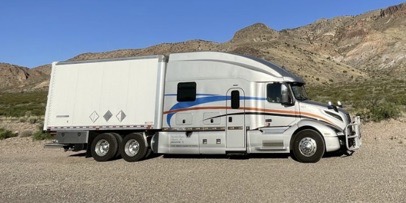
Before accepting any load there are several questions to ask. Because the cargo area on our truck is only 17 feet the first question is always, “how many pieces and what is the weight?” Our truck can fit 8 regular sized pallets in the box and can hold up to 13,500 pounds of weight. Our previous truck could hold 10 pallets of freight and far less weight. Once we have determined that the item or items will fit in our box our next question is, “where does the load pick up and where will it be delivered?” This helps determine how far we are from the pick up, also referred to as deadhead miles. These are miles for which we are usually not reimbursed. It is also important to know how many miles there are between the pick up and delivery. All of these numbers help when asking the final question of “how much does the load pay?” A quick calculation will determine if the pay will compensate us for both deadhead miles plus the loaded miles. Like any company we want to be profitable. If the pay does not seem sufficient enough to pay for fuel and maintenance expenses as well as all other business related expenses, then we will decline the load. If the numbers make sense, then we will accept the load.
Now that we have decided to take a load, Dave begins the process of figuring out our route. This may sound as simple as putting the shipping address and the delivery address into a GPS unit; however, there is much more involved. We need to know if our truck is allowed on all the roads that the GPS wants us to take. If we are hauling a hazardous material, there are special laws that need to be followed. There are extra documents that need to be filled out and carried with us while driving the planned route. States may have special requirements. Of course, the weather can also make our travels more challenging. Finally, road construction or an accident can turn our travels into one delay after another.
Maybe you caught on to the fact that Dave and I each have our roles that we do to carry out more than just the driving. I usually talk to those who are offering us work. We agree together if we will or will not take the load. Dave does all of the route planning and navigating. Between us we make a very good team.
What processes do you make in accepting a load, planning the route and addressing weather or other road closures that could cause a delay?
Here’s to millions of safe, profitable and DUE DILIGENCE miles.
Kelly Plumb